
By Mara Riegel, October, 2025
Friday, Oct. 3, 2025— Donald Trump recently released his plan to end the roughly two years-long war ravaging Gaza. Much like his presidential predecessor Woodrow Wilson, President Trump’s roadmap to peace in the Middle East is broken down into a 20-point system. This plan has also notably garnered the support of Israeli Prime Minister Benjamin Netanyahu.
After meeting at the White House on Sept. 29, the two leaders announced a plan that could end the war within days if Hamas accepts itThe plan begins with some initially required actions that would need to be fulfilled in order to carry out the rest of the agenda for peace.
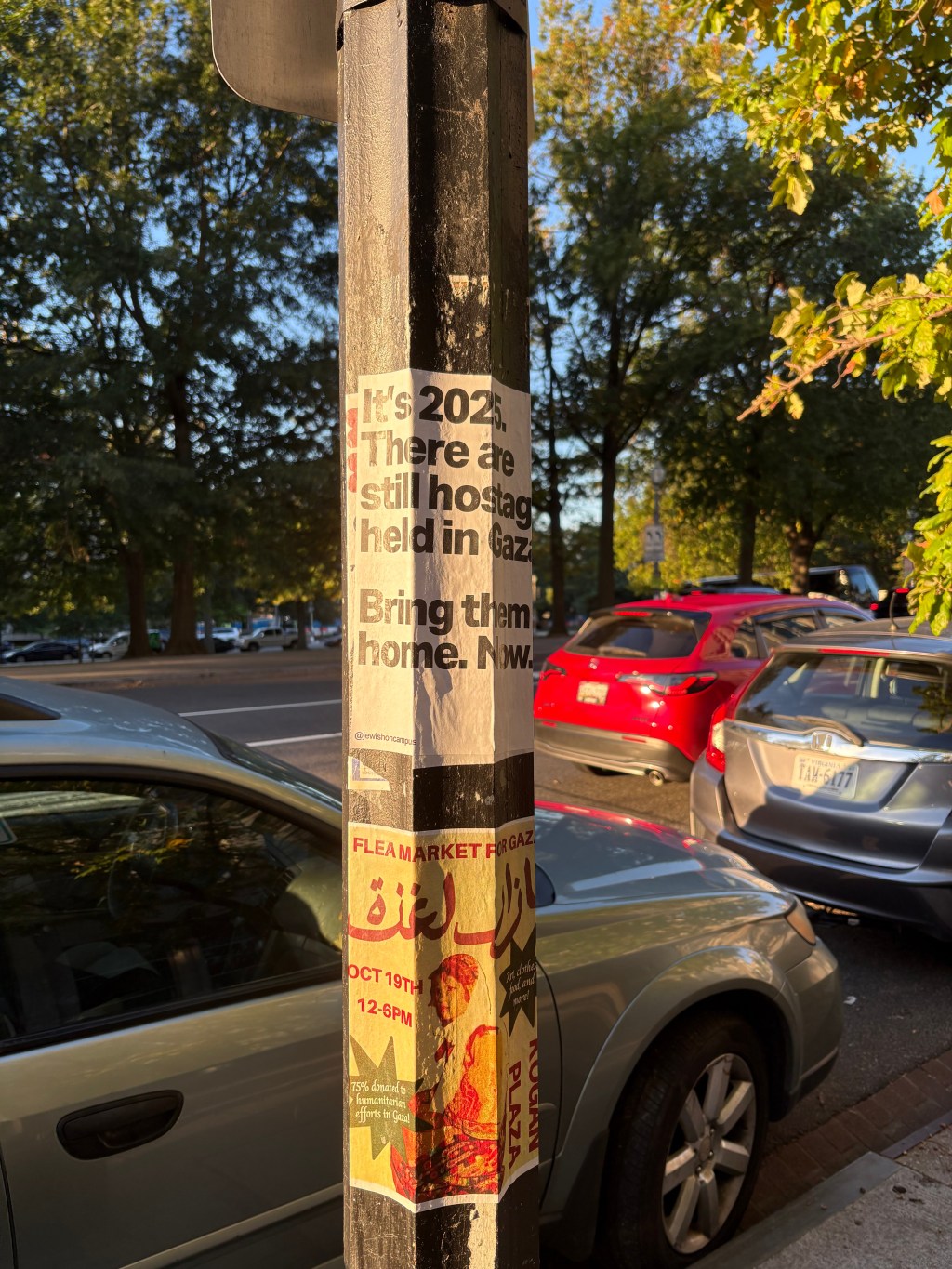
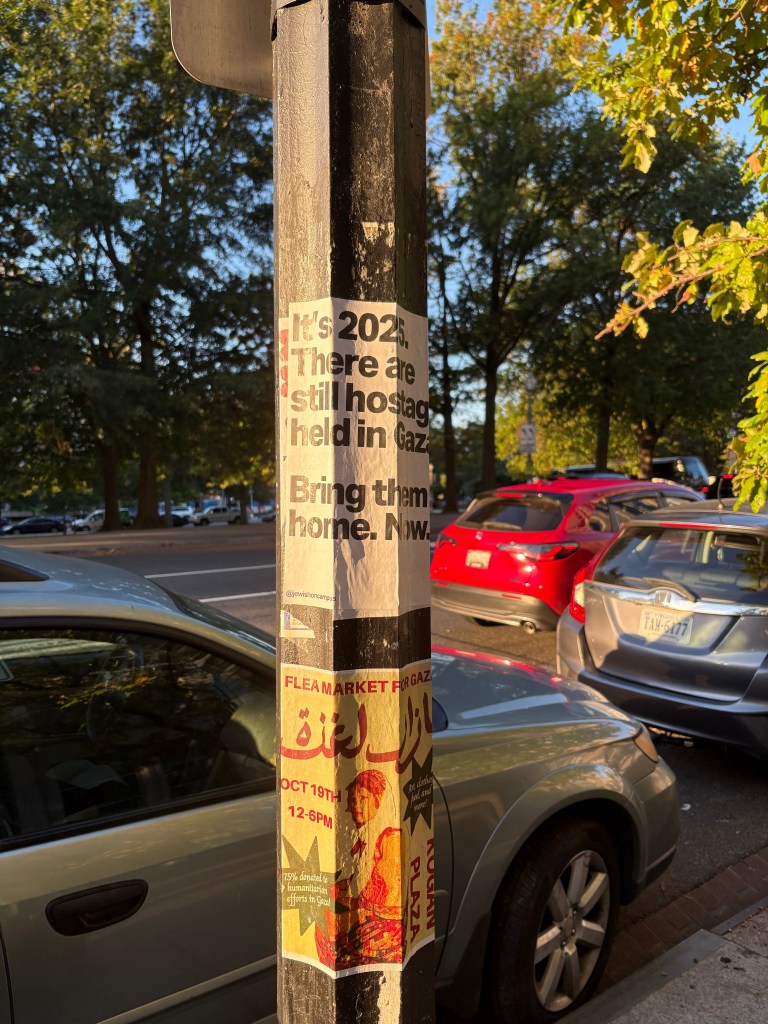
Starting the list presented by the President is the condition that all hostages still held by Hamas, both dead and alive, be released within 72 hours of accepting the proposed plan. Currently, Hamas is still holding 48 hostages out of an original 251 hostages, 26 of whom are deceased and 22 of whom are presumed to still be alive. Among these 48 hostages are two American citizens– 19-year-old Itay Chen and 21-year-old Omer Neutra, both of whom are among the deceased.
The important part about the hostages’ release is also what Israel is giving in exchange for them. The plan stipulates that in exchange for all 48 hostages, Israel will release 250 life sentence Gazan prisoners plus 1700 Gazans who were detained on Oct. 7, including every woman and child in custody.
Moreover, any members of Hamas who swear to live a life of peace and decommission their weapons will receive full amnesty from criminal penalties. Additional members of Hamas who simply wish to leave Gaza will also be given free, clear, and safe passage to do so to any country willing to receive them.
Hamas has agreed to certain conditions of this peace plan, however they also have been unclear on other sections and seem to want to change some provisions of the current iteration of the deal. For example, a provision of the existing plan— specifically point 13— was not clearly affirmed. Point 13 outlines the fact that if accepted, Hamas will no longer have any role in the governance of Gaza in any form.
However, should Hamas fail to accept the existing proposal, both President Trump and Prime Minister Netanyahu have made it clear that the action will not be met kindly. Trump actually told Netanyahu that if Hamas were to reject this proposal, “you’d have our full backing to do what you would have to do.” Analysts speculate that this may signal increased Israeli military action. President Trump further reaffirmed that idea, stating that Hamas would face, “all HELL” if they were to reject the peace agreement.
Should Hamas accept the proposal, the end of the war would follow very shortly thereafter. The plan outlines that upon the agreement of both sides, all fighting would immediately cease and that Gaza would be deemed a “de-radicalized terror free zone” that does not pose a threat to its neighbors.
The plan further states that as soon as peace is declared, UN and other humanitarian relief organizations will immediately be allowed in to distribute medical aid, food, and any other kinds of relief. This additionally includes the restoration of infrastructure including bakeries, roads, hospitals, and more.
This peace plan also includes commentary about how the governing of Gaza shall be undertaken. The plan stipulates that Gaza will be ruled temporarily and transitionally by a board of “technocrats” who serve in a non-partisan manner to carry out day-to-day functions. Moreover, it will consist of qualified Palestinians and international experts.
This board will further be supervised by a “Board of Peace” that is to be chaired by President Trump himself, former British Prime Minister Tony Blair, and other yet to be announced heads of state. This board will serve until the Palestinian Authority— the group that governed Gaza until 2007 when Hamas took over— has completed its rehabilitation efforts. The Palestinian Authority has “welcomed” the plan and efforts of President Trump.
Moreover, the plan includes provisions for the economic development of the region. The provisions largely contained within points 10 and 11 state that the region will have another board to supervise the economic rebirth and successes of the newly freed region. This board shall further be staffed by experts who have worked on other “miracle cities” in the Middle East. The region will also have preferential trade terms for countries who participate in this venture.
Additionally, the plan includes terms that surrounding countries must acquiesce to in order for it to work. The plan includes the point that surrounding countries in the area must work to ensure the region stays terror-free and that these rules and standards are upheld.
The plan concludes by stating that if all of the above is carried out successfully and the Palestinian Authority retakes leadership of the region, that the US will facilitate conversations between Palestine and Israel to create a pathway for statehood and independence.
Political analysts across both parties have so far responded positively to the proposal, calling it one of President Trump’s most detailed foreign policy efforts. Hamas has until Sunday, Oct. 5 at 6:00 p.m. to accept or reject the stated proposal, otherwise the war will carry on as it has been going.


 Tekiah Magazine
Leave a comment