
By Benjamin Daniel, December 2025
Credit: EVZ Romania
Israel’s relations with the European Union are under dynamic tension as the EU is switching its attitude towards its line of connection. For the past few months, the EU as a whole has tightened its restrictions on trade policies with Israel amidst the growing officially internationally recognized backlash.
With the release of the hostages and the partial withdrawal of IDF ground forces from Gaza, the European Commission’s continuous development of sanction plans on Israeli imports came to a temporary halt. The new political climate surrounding Israel, with Trump’s proposed plan to end two years of war with 20 points of agreement being accepted and phases unfolding at the present moment, has changed the world stance on the future of the region.
The European Union is one of if not the most important economic lines of trade with Israel historically and equivalently in recent years. In 2024, bilateral trade between Israel and the EU was 42 billion between the two areas and Israeli exports totaled over 16 billion. Mechanical equipment, chemicals, and pharmaceuticals are among the top exports included in the typical trade. With exports to Europe growing over the past decade, reflective of the high dollar figure explained previously, the economy of the State of Israel heavily depends on the expenditure of manufacturing, much of which can be categorized as intermediate goods.
Key components of many smartphones and laptops are manufactured and developed, through a staunch investment in R&D in the past decade, in the Galilee region alone. The export market is greatly affected by the policies of acceptance within EU borders. These constantly changing systems of trade interference are crucial to not only European and Middle East growth, but global distribution as well. The consistency of these policies, however, has greatly relied on the current perception of the legality and morality of the Israeli government, which the EC has struggled to take a concrete and official position on.
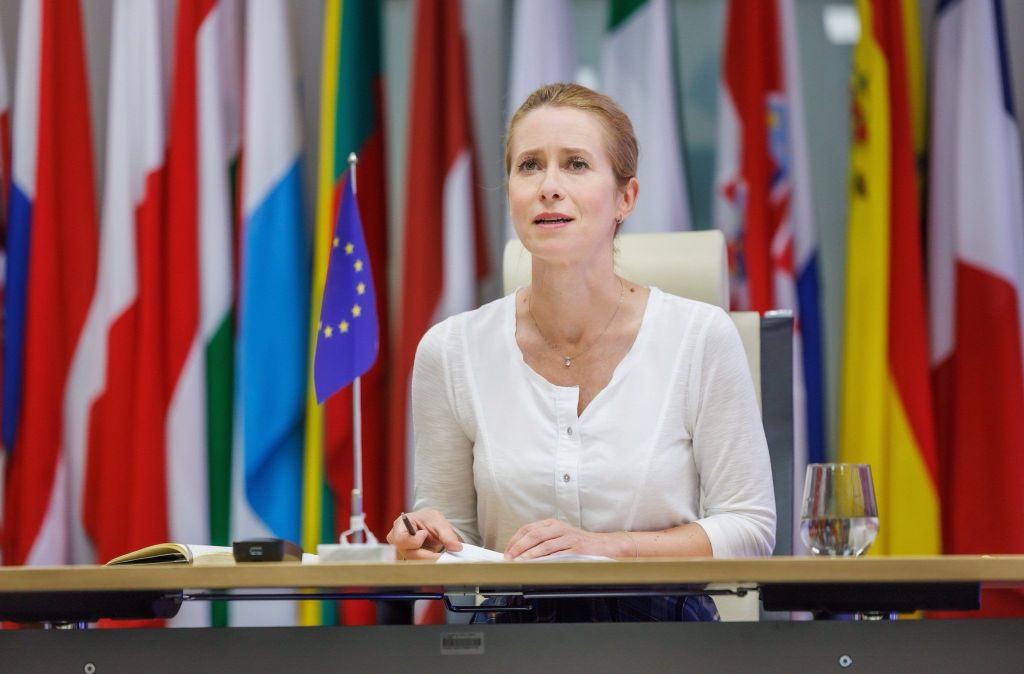
Estonia’s Kaja Kallas, Vice President of the European Commission was among the 27 foreign ministers of the EU that created and attended a summit in Luxembourg only 10 days after the US led cease fire with the hostage deal put into place. This summit concluded that the situation is too “fragile” at the moment to put into place an official European Commission system of tariffs and sanctions on these exports. However, the current progress towards peace in the conflict started on Oct. 7 has not deterred the European Union from keeping the decision of sanctions on the table for the coming months.
While the staggering tensions between the EU and Israel have grown in the past year since the arrest warrant was issued for Prime Minister Benjamin Netanyahu and international condemnation was bestowed upon his cabinet members Ben Gvir and Bezalel Smotritch, the EU has tried to maintain good standing with Israel by avoiding these kinds of actions against the administration. However, the current European Commission leaders have decided that in order to incentivize continued trade relations, sanctions need to be placed on the entirety of Israel until their actions align with European Union values. This sanction package would include the temporary suspension of bilateral support between Israel and the EU, suspension of some of the provisions of the previous Israel-EC agreement(the Association Agreement), and sanctions against both Hamas and Israeli Settlers.
Kaja Kallas was adamant that the ceasefire has changed the trajectory of peacemaking, however, she was quoted as stating, “unless we see real and sustained change on the ground, including more aid reaching Gaza, the threat of sanctions remains on the table.” Kallas’s main points, representing the collective state of the European Commission, summarize a list of demands that the EU would like to see put in place to rebuild the Israeli good reputation. Among these measures, Kallas mentions, ‘improvement of humanitarian aid reaching Gaza,’ “Palestinian tax revenues to be given to Palestine or released by Israeli authorities,” journalists and aid workers being allowed safe passage in and out of Gaza, and the registration of INGO’s to be unrestricted.
Though the European Commission has been persistent among its members with its restrictions on Israel, not all European international relations officials are in agreement with this general disposition. On the opposing side of the European stance on the state of Israeli relations with the EU is Member of European Parliament (MEP) Hildegard Bentele of Germany’s Christian Democrat Party. Much of Kallas’s operational announcements have been well received in theory, as these economic restrictions have been put in place as a package of demand for a higher volume of humanitarian action conducted by the current Israeli administration. However, in direct response to Kallas on Oct. 7, Bentele stated to the European parliament, “[with Kallas’s economic punishment plan] If Hamas refuses to lay down arms, what then?”
Over the course of the past two weeks, Bentele has urged the leaders of the EU to take the halt of military operations in Gaza as an opportunity to release tensions on Israel. She claimed in a tone of relief that, “we have reached a different stage: there’s a ceasefire, humanitarian aid is flowing, and Israel is giving the peace plan a chance.” While this is not the current popular opinion among the EC and the EU, the general argument that is being spearheaded by those alongside Bentele is that punishing Israel amidst the transition period of the ceasefire would only promote an unnecessary wave of aggression towards Israel.
Along with International oversight over Gaza and the continuous adoption of a multi-stage peace plan, Israel is complying with international demands and is open to international cooperation. Sanctions, as argued in view of the sentiments of those in general opposition, would not be helpful for any growth between the EU or Israel and the sooner these sanctions are off the EC’s table, the more likely Israel is to follow international pressure as they are under no threats. With potential cooperation with the demands for humanitarian, journalistic, and economic action, Israel could have the ability to continue previous trade patterns and return to the global economy in greater capacity than the pre-war era.



 Tekiah Magazine
Leave a comment